The Science Behind a Perfect Grip: Techniques for Mastering Hold
The perfect grip is not merely a matter of strength; it involves a blend of anatomy, biomechanics, and practice. Understanding the science behind a perfect grip is essential for athletes, musicians, and anyone who relies on their hands for performance. Key factors include hand size, finger length, and the relationship between force and friction. For instance, the techniques for mastering hold begin with analyzing how your fingers and thumb distribute pressure across the object you're gripping. Utilizing proper grip techniques can enhance stability and control, minimizing the risk of injury or slippage.
To develop a perfect grip, consider incorporating the following techniques into your training regimen:
- Finger Placement: Ensure that your fingers wrap around the object efficiently, maximizing surface contact.
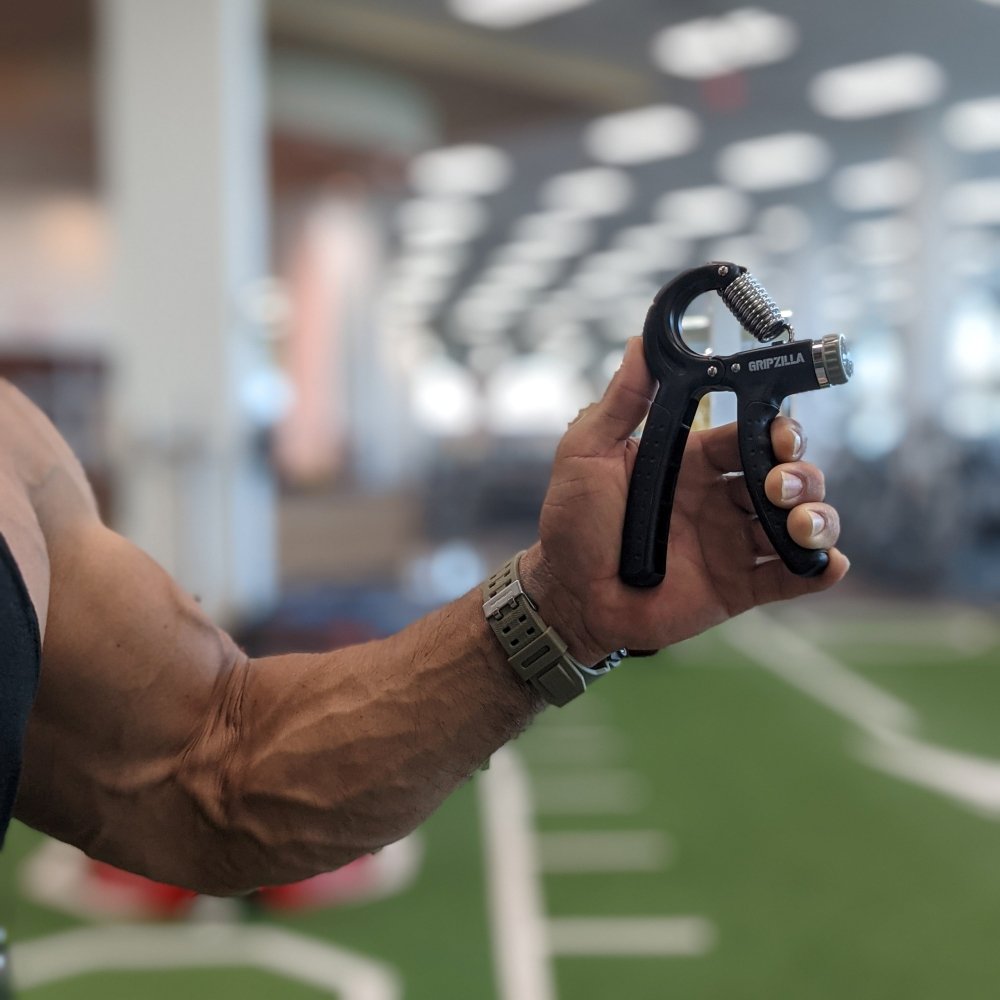
- Grip Strength Exercises: Engage in targeted exercises, such as using grip trainers or performing wrist curls, to build necessary strength.
- Mindfulness Practice: Focus on how your hands feel during different grips, allowing for a more intuitive understanding of your grip dynamics.
By integrating these strategies, you can master the art of gripping, resulting in improved performance across various activities.
Counter-Strike is a popular first-person shooter game that emphasizes teamwork and strategy. Players can choose to play as terrorists or counter-terrorists while completing objectives such as bomb defusal or hostage rescue. Additionally, if you're looking to enhance your photography skills with the latest technology, check out the Top 10 Camera Grips for iPhone 17 to elevate your mobile photography experience.
Common Mistakes When Trying to Improve Your Grip Strength
Improving your grip strength is essential for overall functional fitness, yet many individuals make common mistakes that hinder their progress. One of the most prevalent errors is neglecting proper warm-up routines. Skipping warm-ups can lead to muscle strain and reduce your overall performance. Start with simple exercises to engage your forearm muscles, such as wrist circles or light stretching, before progressing to more intense grip-strengthening activities. Additionally, proper form is crucial; avoid using your body’s momentum to lift weights or perform exercises, which can compromise effectiveness and lead to injuries.
Another typical mistake is focusing solely on grip training without incorporating variety in exercises. Many people stick to a few standard techniques like dead hangs or static holds; however, it’s vital to challenge your grip through different movements. Incorporate dynamic exercises that engage multiple muscle groups, such as pull-ups, kettlebell swings, and farmer's walks. Furthermore, neglecting to allow for adequate recovery time can impede your progress. Muscles need time to repair and grow stronger, so be sure to schedule rest days and vary your grip training intensity for optimal results.
Grip Training: How Often Should You Practice for Maximum Effect?
Grip training is an essential component for athletes and fitness enthusiasts alike, as it enhances overall strength and performance. To achieve maximum effectiveness, it is crucial to establish a consistent practice routine. Most experts recommend engaging in grip training exercises 2-3 times a week, allowing adequate recovery time between sessions. This frequency helps to progressively overload the muscles without risking overuse injuries. Incorporating a variety of exercises such as dead hangs, plate pinches, and wrist curls can help target the different aspects of grip strength.
It is also important to monitor your progress and adjust the frequency based on your individual goals and recovery rate. Some individuals may find they can train their grip more often, while others might need longer recovery periods. Remember to listen to your body and incorporate rest days as needed. By finding the right balance in your grip training practice, you will be better positioned to see maximum results over time, improving not only your grip strength but also overall functional strength in other lifts and activities.