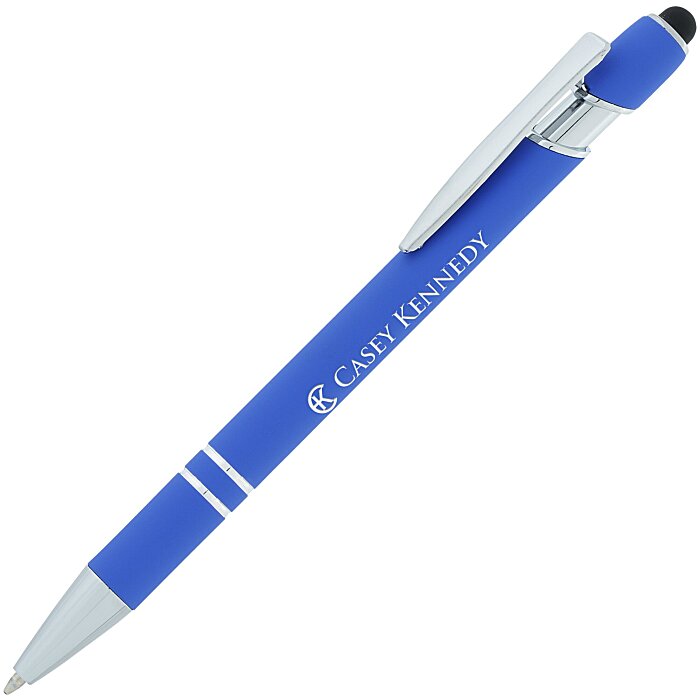
5 Inspiring Ways to Use a Stylus for Digital Art
Using a stylus can transform your digital art experience in countless ways. One inspiring method is through precision detailing. With a stylus, artists can achieve intricate designs that are often more difficult to execute with a mouse or finger. This increased control allows for the creation of delicate lines and nuanced textures, bringing depth and richness to your artwork. For instance, when illustrating characters or landscapes, the stylus can be used to add fine details such as hair strands or foliage, making your pieces stand out.
Another innovative way to utilize a stylus in digital art is through layer management. With the ability to quickly switch between layers while drawing, artists can experiment and edit their work without the fear of permanently altering their original piece. This method encourages creativity, as you can easily combine different styles and techniques. For example, overlaying textures on a base image can lead to stunning results, transforming a simple design into a multi-dimensional masterpiece.
Counter-Strike is a highly competitive first-person shooter game that pits teams of terrorists against counter-terrorists in a variety of objective-based modes. Players must work together to strategize and outmaneuver their opponents, making teamwork and communication essential for success. For gaming on the go, check out our Top 10 Tablet Accessories to enhance your experience.
Unlocking Digital Drawing: Essential Techniques for Stylus Users
In the realm of digital art, stylus users have the unique advantage of leveraging precision and versatility that traditional drawing tools often lack. To unlock the full potential of digital drawing, it's essential to familiarize yourself with key techniques. Start by mastering the basics of layering; this technique allows artists to build depth and texture in their work. Additionally, understanding how to utilize pressure sensitivity can greatly enhance your strokes, resulting in more expressive lines. Utilize features like undo and redo effectively, which can help you experiment freely without fear of making irreversible mistakes.
As you progress, consider integrating blending techniques to create smoother transitions between colors and shades. Familiarizing yourself with different brush types and their unique properties plays a crucial role in achieving the desired texture and feel. Many stylus-compatible programs offer customizable brushes, allowing artists to craft unique styles tailored to their preferences. Lastly, don't overlook the importance of practicing gesture drawing; this quick sketching technique enhances your ability to capture movement and form, which is pivotal in both digital and traditional art.
What Are the Best Styluses for Creative Professionals?
For creative professionals seeking the best styluses, the market offers a plethora of options that cater to various artistic needs. Apple Pencil stands out for iPad users, providing a seamless experience with its pressure sensitivity and tilt functionality. Another excellent choice is the Wacom Bamboo Sketch, known for its precision and ergonomic design, making it ideal for drawing and sketching on the go. Both of these styluses are compatible with numerous creative applications, enhancing the overall productivity and creativity of artists and designers.
In addition to the aforementioned styluses, the Microsoft Surface Pen deserves a mention, especially for those using Surface devices. Its customizable buttons and incredible responsiveness make it a favorite among graphic designers. For a more budget-friendly option, consider the Adonit Pro 4, which offers a fine tip and good performance without breaking the bank. Ultimately, the best stylus for a creative professional will depend on individual preferences, the devices they use, and the types of projects they undertake.