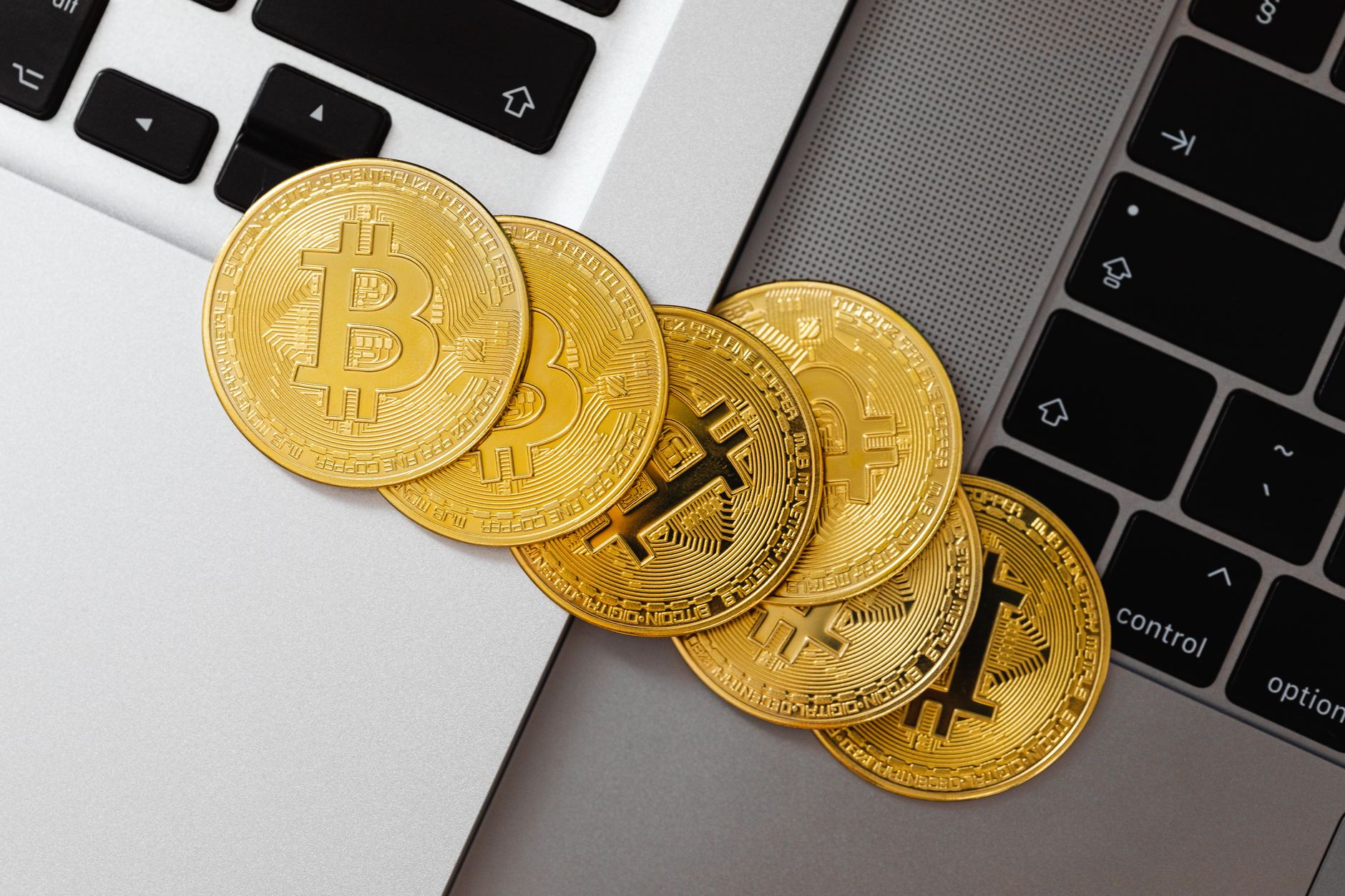
From Smart Contracts to Shard Chains: Demystifying the Blockchain Tech Behind Your Crypto Winnings (and Losses!)
Delving deeper into the fascinating architecture of blockchain technology reveals the crucial role of smart contracts. These self-executing agreements, written directly into lines of code, form the backbone of many decentralized applications (dApps) and are fundamental to the operation of popular cryptocurrencies like Ethereum. Think of them as digital vending machines: once predefined conditions are met, the contract automatically executes, whether that's releasing funds, transferring ownership of an NFT, or initiating a complex financial derivative. This automation eliminates the need for intermediaries, drastically reducing transaction costs and improving efficiency, but also means that any bugs or vulnerabilities in their code can have significant and irreversible consequences, impacting your crypto holdings.
Beyond smart contracts, the concept of shard chains represents a significant leap forward in addressing the scalability challenges inherent in early blockchain designs. Traditional blockchains process transactions sequentially, creating bottlenecks as network usage increases. Sharding, however, proposes to divide the blockchain into multiple, smaller, interconnected chains – known as 'shards' – each capable of processing transactions in parallel. This innovative approach promises to dramatically increase transaction throughput, allowing blockchains to handle a much larger volume of activity without sacrificing decentralization or security. As the crypto landscape evolves, understanding these technological advancements becomes paramount for anyone looking to navigate the complexities of decentralized finance and web3 applications, ultimately influencing the potential for both gains and losses in your digital assets.
Doge Casino offers a fun and engaging online gambling experience, embracing the playful spirit of the Dogecoin community. Players can enjoy a wide array of games, from slots to table games, all while transacting with Dogecoin. Discover exciting bonuses and a vibrant community at the doge casino, making it a popular choice for cryptocurrency enthusiasts looking for entertainment.
Beyond the Buzzwords: Your Practical Guide to Understanding Crypto Wallets, RNGs, and How to Spot a Secure Platform
Navigating the world of cryptocurrency often feels like stepping into a lexicon of obscure terms. However, understanding fundamental concepts like crypto wallets and Random Number Generators (RNGs) is crucial for any serious investor or user, moving beyond mere buzzwords to practical security. A crypto wallet isn't a physical container, but rather a digital tool that stores your private keys, essential for accessing and managing your cryptocurrencies on the blockchain. There are various types, including hot wallets (online, convenient but less secure) and cold wallets (offline, highly secure but less accessible). Choosing the right wallet depends on your individual needs for security versus accessibility, and comprehending their function is your first line of defense against potential threats. Don't just hear 'wallet'; understand its role as your digital vault and the implications of its security.
Equally vital, especially when evaluating platforms for gaming, trading, or even NFT minting, is understanding Random Number Generators (RNGs). An RNG is an algorithm designed to produce a sequence of numbers or symbols that cannot be reasonably predicted better than by a random chance. In crypto, a truly random RNG is paramount for fairness and trust, particularly in decentralized applications (dApps) or blockchain-based games where outcomes often rely on randomness. When assessing a platform's security and trustworthiness, look for transparency regarding their RNG implementation. Do they use a verifiably fair RNG? Are their methods audited by independent third parties? A platform that openly details its RNG mechanism, perhaps even utilizing a provably fair system powered by blockchain, demonstrates a commitment to integrity and provides a strong indicator of a secure and reliable environment. Don't just accept 'random'; demand 'verifiably random' for true peace of mind.