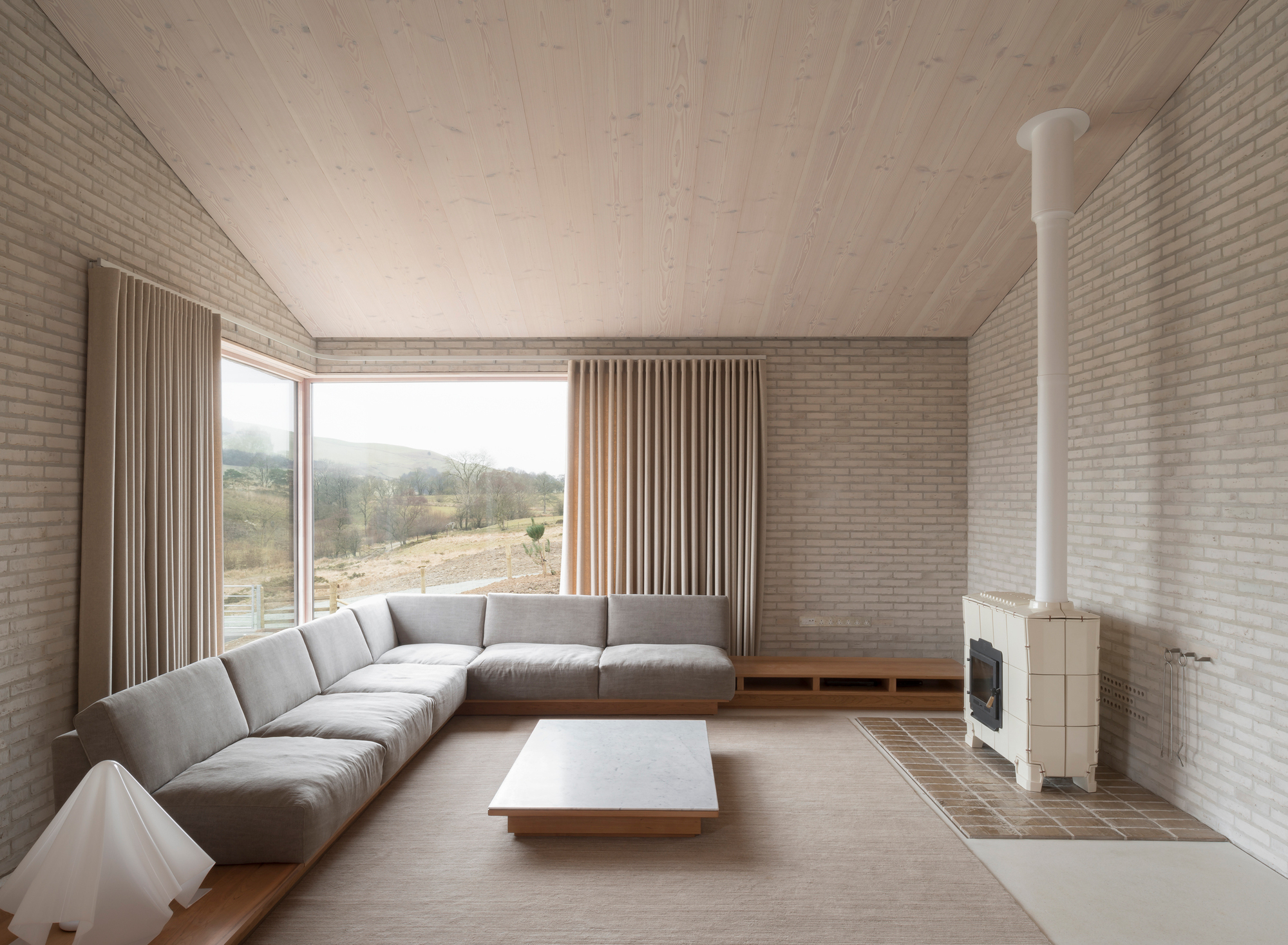
The Principles of Minimalism: Embracing Simplicity in a Cluttered World
The principles of minimalism advocate for a lifestyle centered around simplicity and intentionality, particularly in our increasingly cluttered world. By focusing on what truly matters, individuals can declutter not just their physical spaces but also their mental landscapes. Minimalism encourages us to ask ourselves what we value most in life, guiding us to let go of excess possessions, obligations, and distractions. This transformative approach can lead to reduced stress and enhanced clarity, allowing for more meaningful experiences and relationships.
Embracing simplicity means prioritizing quality over quantity. A minimalist mindset can be applied to various aspects of life, including personal finance, consumerism, and even digital footprints. For those looking to adopt minimalism, consider starting with these tips:
- Assess your belongings and determine what truly brings you joy.
- Establish clear goals and values to guide your decisions.
- Reduce digital clutter by organizing your online presence.
- Embrace mindfulness practices to focus on the present moment.
Counter-Strike is a highly strategic first-person shooter game that has captivated gamers worldwide since its initial release. Players are divided into two teams, terrorists and counter-terrorists, competing to complete objectives or eliminate the opposing team. For enthusiasts looking to enhance their gaming experience, exploring the Top 10 Desk Setup Trends can provide inspiration for creating the ultimate gaming environment.
How to Start Your Minimalist Journey: Tips for Decluttering Your Life
Embarking on a minimalist journey can be a transformative experience, allowing you to declutter your life and focus on what truly matters. To start, consider breaking your decluttering process into manageable steps. Begin with one room or area of your home, and set aside dedicated time to tackle it. For instance, you might follow these steps:
- Assess what you need: Go through your belongings and identify items that serve a purpose or bring you joy.
- Sort your items: Create three categories: keep, donate, and discard. This will help you make clear decisions.
- End daily distractions: Challenge yourself to maintain a minimal mindset by limiting purchases and reducing mental clutter.
As you continue your minimalist journey, it's important to develop habits that support your new lifestyle. Consider incorporating mindful practices into your daily routine, such as:
- Daily reflection: Spend a few minutes each day reflecting on what you truly value and how to incorporate those values into your life.
- Regular decluttering sessions: Set aside time weekly or monthly to assess your possessions and ensure you are not accumulating unnecessary items.
- Create a minimalist mantra: Having a personal mantra can serve as a reminder of your commitment to a simpler life, guiding your decisions and actions.
Is Minimalism Right for You? Exploring the Benefits and Challenges
Minimalism is a lifestyle choice that emphasizes simplicity and intentionality, encouraging individuals to reduce clutter and focus on what truly matters. By embracing minimalism, you may find benefits such as increased mental clarity, improved productivity, and a deeper appreciation for the things you own. This approach allows you to streamline your life, making it easier to prioritize your goals and values. However, it's important to consider whether this path aligns with your personal preferences, as the transition to minimalism can be challenging for those accustomed to a more materialistic lifestyle.
On the other hand, the journey towards minimalism comes with its own set of challenges. Many people find it difficult to let go of sentimental items or feel overwhelmed by the idea of decluttering their spaces. Additionally, the pressure to conform to societal standards of minimalism can lead to stress rather than liberation. To decide if minimalism is right for you, it might be beneficial to weigh the benefits against the challenges and experiment with small changes in your daily life. Consider starting with one room or area of your home to see how it impacts your overall well-being.