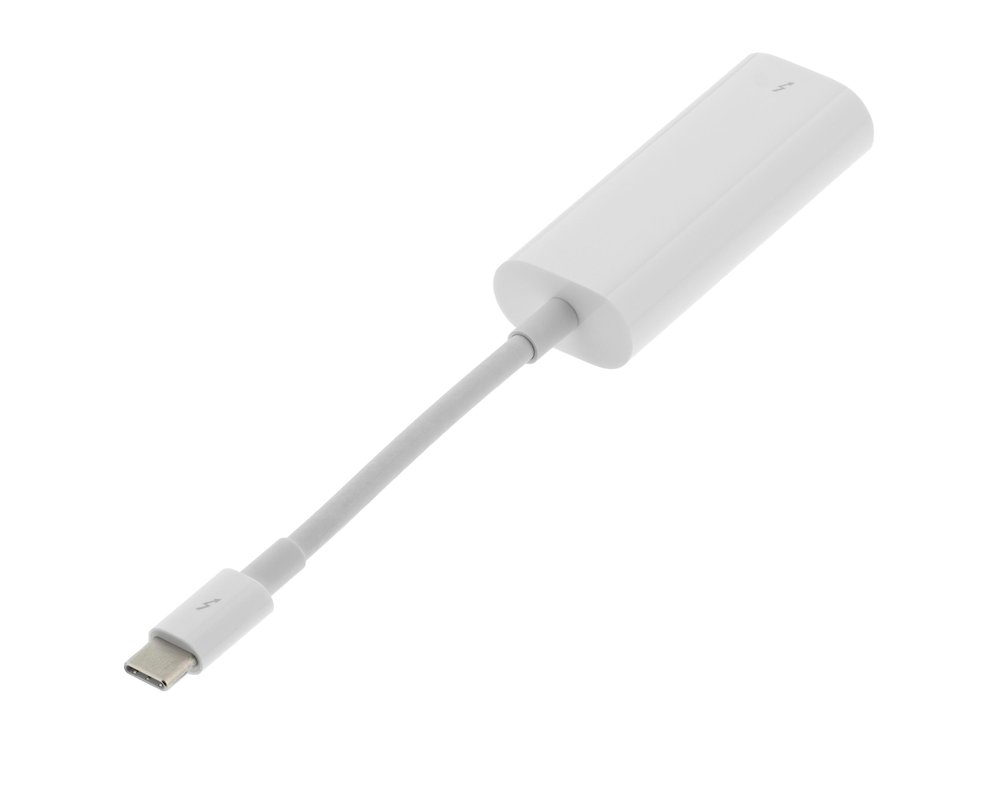
How Thunderbolt Technology is Revolutionizing Data Transfer Speeds
In the ever-evolving world of technology, Thunderbolt technology stands out as a game-changer in the realm of data transfer speeds. Originally developed by Intel and Apple, Thunderbolt has undergone several iterations, with Thunderbolt 4 now dominating the market. This cutting-edge interface achieves data transfer rates of up to 40 Gbps, making it four times faster than USB 3.2 and providing users with unprecedented efficiency in managing large files and multimedia. Whether you are a professional working with 4K video editing or a gamer needing quick load times, Thunderbolt technology is indeed revolutionizing how we transfer data.
Moreover, the impact of Thunderbolt technology extends beyond mere speed. Its versatility allows for the connection of multiple devices simultaneously, including displays and external storage, all through a single port. This not only simplifies cable management but also enhances productivity by enabling quick device swapping. As more devices adopt Thunderbolt compatibility, users can expect future advancements that will further optimize data transfer processes, solidifying Thunderbolt's place as a cornerstone of modern computing technology.
Counter-Strike is a popular first-person shooter video game that has captivated gamers since its release. It features team-based gameplay where players assume the roles of either terrorists or counter-terrorists, competing to complete objectives or eliminate the opposing team. If you're looking for the Top 10 macbook docks to enhance your gaming setup, there are many options available. Over the years, Counter-Strike has evolved through various iterations, continually attracting a dedicated player base and fostering a vibrant eSports community.
The Impact of Thunderbolt on the Future of Digital Devices
The advent of Thunderbolt technology marks a significant evolution in the connectivity of digital devices, influencing both the design and functionality of various consumer electronics. With its impressive data transfer speeds, Thunderbolt enables seamless integration between high-performance peripherals such as external storage drives, displays, and docks. This advancement allows users to quicken workflows and enhances multitasking capabilities, making it an essential feature for professionals in creative fields such as video editing, graphic design, and software development.
As the tech landscape continues to evolve, the future of digital devices lies heavily in the adoption of Thunderbolt and its successors. Emerging interfaces like Thunderbolt 4 promise even better performance, enhanced power delivery, and support for multiple daisy-chained devices. This shift not only simplifies connectivity but also encourages synergy among devices, pushing manufacturers to innovate further. As a result, we can expect a future where Thunderbolt becomes a standard in data transfer, transforming the user experience and optimizing the capabilities of digital devices.
Is Thunderbolt the Key to Unlocking the Next Generation of Connectivity?
The advent of Thunderbolt technology has indeed revolutionized data transfer and connectivity. Initially developed by Intel in collaboration with Apple, Thunderbolt offers lightning-fast speeds and versatile connections, making it a frontrunner in modern digital communications. Thunderbolt combines data, video, and power transfer over a single cable, simplifying setups and enhancing user experience. As we delve into the future of connectivity, the potential of Thunderbolt to support high-definition displays and rapid data backups positions it as a pivotal technology for both consumer electronics and enterprise solutions.
Looking ahead, the latest iterations of Thunderbolt promise even greater functionality with increased bandwidth and support for multiple devices. The integration of Thunderbolt into laptops, desktops, and peripheral devices can significantly streamline workflows in various industries, from graphic design to video production. Furthermore, with a growing ecosystem of compatible devices, including docks and external GPUs, Thunderbolt is set to unlock new opportunities for innovation and efficiency in connectivity, solidifying its role as the key to unlocking the next generation of seamless digital experiences.