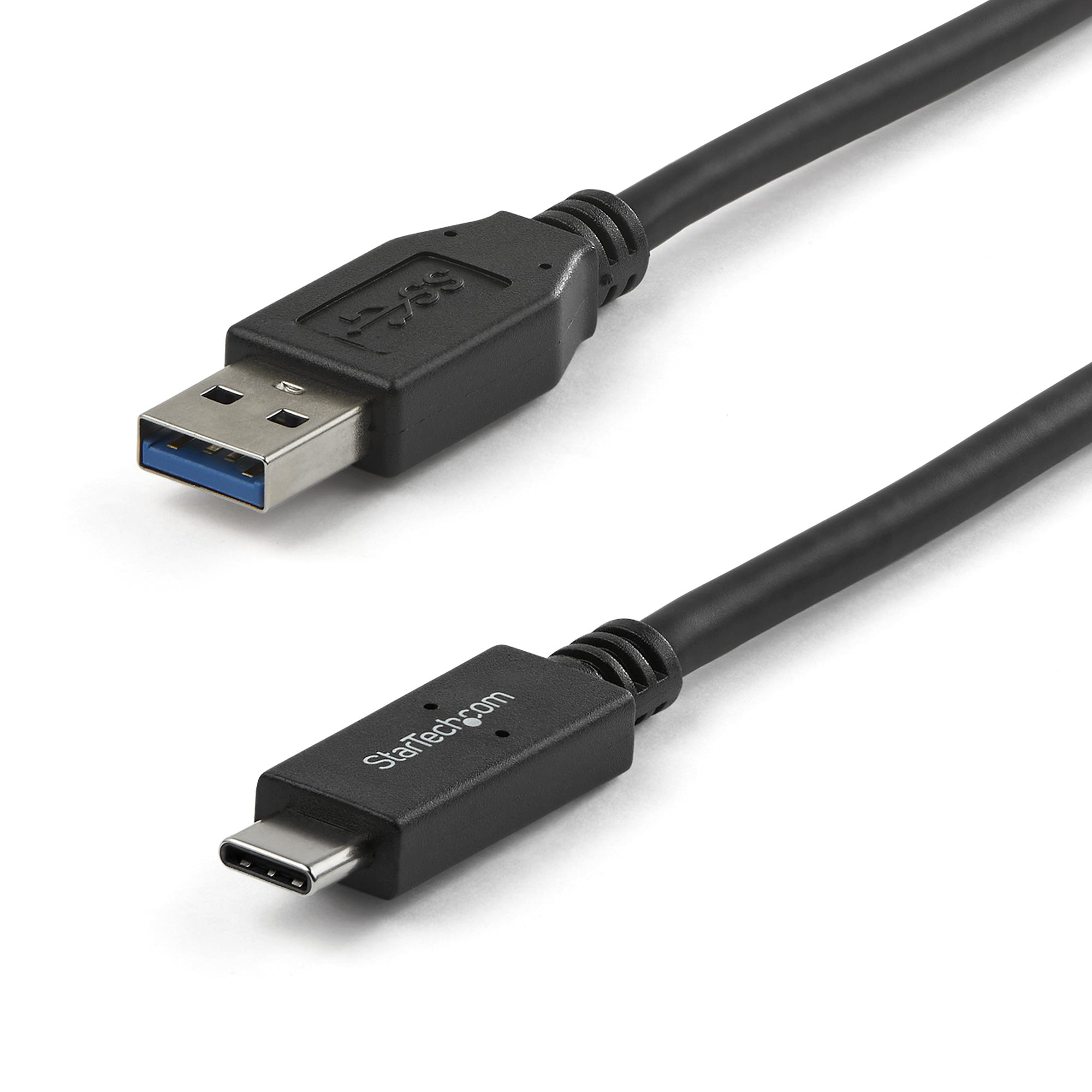
Understanding USB-C: The Future of Connectivity Explained
USB-C is rapidly becoming the industry standard for connectivity, offering a plethora of advantages over its predecessors. Unlike older USB types, USB-C features a reversible design, allowing users to connect devices without worrying about the orientation. This is particularly beneficial for smartphones, laptops, and a wide range of peripherals. Moreover, the USB-C connector is designed to support high-speed data transfer rates, with capabilities that can reach up to 10 Gbps with USB 3.1 and even beyond with future technologies. The versatility of USB-C extends to power delivery, enabling faster charging for devices, which can significantly reduce downtime.
Another essential aspect of USB-C is its compatibility with various protocols. This single port can support numerous functionalities, such as video output via DisplayPort and HDMI, making it easier to connect to monitors and display devices without additional adapters. As the tech world moves towards a more unified connection standard, consumers can expect enhanced convenience as more devices, from smartphones to laptops, embrace the USB-C framework. In conclusion, USB-C not only streamlines connectivity but also sets the stage for a future where charging, data transfer, and multimedia sharing are all seamlessly integrated.
Counter-Strike is a popular tactical first-person shooter game that has captivated players around the globe since its initial release. Players can choose between two opposing teams, terrorists and counter-terrorists, and engage in intense battles across various maps. For those looking to enhance their gaming experience, investing in the Top 10 MacBook Air accessories can greatly improve performance and comfort during gameplay.
Top 5 Benefits of Switching to USB-C Devices
With the rapid advancement of technology, switching to USB-C devices has become increasingly beneficial. One of the primary advantages is universal compatibility. USB-C ports are now found in a wide range of devices, including smartphones, laptops, and tablets. This means that whether you’re charging your phone or connecting to your laptop, you can use the same cable, reducing clutter and the need for multiple chargers. According to industry experts, this standardization is creating a more seamless user experience and minimizing electronic waste.
Another significant benefit of USB-C devices is their fast data transfer speeds. With capabilities of transferring data at rates up to 10 Gbps, USB-C technology is ideal for users who frequently move large files. This speed not only enhances productivity but also minimizes downtime when transferring important documents or multimedia files. Additionally, USB-C supports a variety of protocols, meaning it can handle power, video, and data simultaneously, making it an all-in-one solution for modern tech users.
Is Your Tech Ready for USB-C? A Quick Compatibility Checklist
As the tech world shifts towards USB-C, ensuring your devices are compatible is paramount. First, check the devices you use most frequently, such as laptops, smartphones, and tablets. Look for the USB-C port, which is easily identifiable by its oval shape. If you’re unsure whether your device supports this standard, refer to the manufacturer's specifications or user manual. Additionally, examine your existing accessories—cables and chargers may need to be updated to take full advantage of this versatile connection.
Consider making a quick compatibility checklist to streamline the transition to USB-C:
- List your devices: Identify which ones currently have USB-C ports.
- Assess your cables: Check if your current cables support the USB-C standard.
- Evaluate peripherals: Don’t forget about printers, external drives, and monitors which may need an adapter.