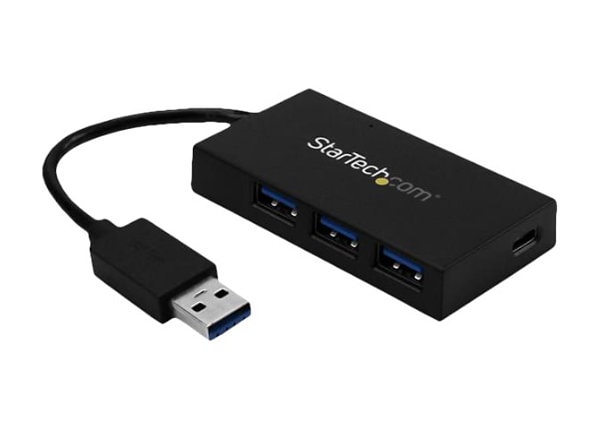
The Ultimate Guide to Choosing the Right USB Hub for Your Needs
When searching for the perfect USB hub, it's essential to consider several key factors that align with your specific needs. First, assess the number of ports you require. Depending on your usage, a hub with at least four to seven ports is generally sufficient for most users, while specific scenarios may demand more. Additionally, consider the types of USB ports available; USB 3.0 and USB-C ports offer faster data transfer rates compared to their predecessors. Be sure to also evaluate compatibility with your devices, especially if you're using a mix of old and new technology.
Another crucial aspect to consider is the power supply of the USB hub. If you plan to connect multiple high-power devices such as external hard drives or cameras, opting for a powered USB hub is advisable, as it provides the necessary power to function efficiently without strain. Lastly, do not overlook the hub's portability; if you travel frequently or plan to use it in different locations, a compact and lightweight design can be a significant advantage. By taking these factors into account, you can find a USB hub that meets your demands seamlessly.
Counter-Strike is a highly popular first-person shooter game that pits teams of terrorists against counter-terrorists in various objective-based scenarios. Players engage in intense matches across diverse maps, showcasing their skills in strategy, teamwork, and reflexes. For gamers on the go, it's also important to have the right tech setup; check out the Top 10 Travel USB C Hubs to find the best accessories for your gaming needs.
Top 5 Benefits of Using a USB Hub: Expand Your Connectivity
In today's digital age, having multiple devices and peripherals is common, and a USB hub can significantly enhance your connectivity. USB hubs allow you to expand a single USB port into several, providing you with the ability to connect various devices such as external hard drives, keyboards, and mice simultaneously. This is particularly beneficial for users with limited USB ports on their laptops or desktops. In fact, many modern laptops are designed with a minimal number of ports, making a USB hub almost essential for seamless operation and productivity.
Moreover, using a USB hub can improve your workspace organization. Instead of dealing with messy cables and constant plugging and unplugging of devices, a hub consolidates connections in one location. This not only streamlines your setup but also reduces wear and tear on USB ports, extending the life of your devices. Additionally, many USB hubs come equipped with charging capabilities, allowing you to power up your devices while maintaining high data transfer speeds. Here are the top 5 benefits of using a USB hub:
- Increased connectivity options
- Improved organization
- Enhanced device longevity
- Convenience for multiple users
- Fast data transfer and charging capabilities
What Features to Look for in a USB Hub: A Buying Guide
When searching for the ideal USB hub, it's essential to consider several key features that will enhance your device's connectivity and usability. First and foremost, evaluate the number of ports available. A good USB hub should provide at least four to seven ports, accommodating multiple devices simultaneously. Additionally, check the types of USB ports included, such as USB-A and USB-C, ensuring compatibility with your devices. Having a mix of USB 3.0 and USB 2.0 ports can also be beneficial, as it allows for faster data transfer rates when needed.
Another aspect to consider is the power supply. Self-powered USB hubs come with their own power source, allowing them to support power-hungry devices like external hard drives without draining the host computer's resources. Look for a hub that also features over-current protection to safeguard your connected devices. Lastly, consider the design and portability of the hub. Compact and lightweight options are preferable for users who travel frequently or need to move their setup often.